Platelet-Rich Plasma (PRP) Injections in Valhalla, NY
Platelet-rich plasma (PRP) injections use a concentrated preparation of platelets from your own blood as a potential treatment for selected musculoskeletal conditions. In foot and ankle care, PRP may be considered for certain persistent tendon or plantar fascia problems, although evidence and results vary. Dr. Fred DeLucia, DPM, FACFAS, FACPM, is a dual board-certified foot and ankle specialist. At Ankle and Foot Surgical Specialists in Valhalla, NY, he provides personalized assessment to help patients explore appropriate options for ongoing foot and ankle pain.
What is Platelet-Rich Plasma (PRP)?
Our blood consists of a liquid component known as plasma. It also consists of three main solid components which include the red blood cells (RBCs), white blood cells (WBCs), and platelets. Platelets play an important role in forming blood clots. They also consist of special proteins, known as growth factors, which help with our body’s healing process. Platelet-rich plasma or PRP is a high concentration of platelets and plasma. A normal blood specimen contains only 6% platelets, while platelet-rich plasma contains 94% of platelets and 5 to 10 times the concentration of growth factors found in normal blood, thus greater healing properties.
What are the Indications for PRP Injections?
PRP is a relatively new method of treatment for several orthopedic conditions such as muscle, ligament, and tendon injuries; arthritis; and fractures. PRP injections can help alleviate painful symptoms, promote healing, and delay joint replacement surgeries.
Platelet-Rich Plasma Injection Procedure
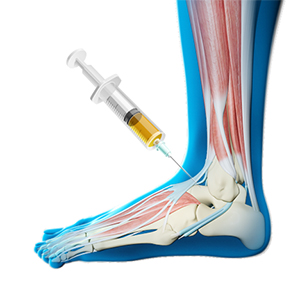
Your clinician will draw blood, most typically from a large vein in your arm. The blood is then spun in a centrifuge machine to separate the platelets from the remaining blood components. The affected part of your body is then injected with the platelet-rich plasma, with ultrasound guidance if needed.
Post-Procedure Care following PRP Injections
It is normal to feel some discomfort at the injection site for a few days after your procedure.
- You may use cold compresses to alleviate your symptoms.
- You will be instructed to stop any anti-inflammatory medications.
- You may resume your normal activities but should avoid any strenuous activities such as heavy lifting or exercises.
Risks and Complications of PRP Injections
There are very minimal risks associated with PRP injections. Some of the potential risks include:
- Increased pain at the injection site
- Infection
- Damage to adjacent nerves or tissues
- Formation of scar tissue
- Calcification at the injection site
Why Choose Dr. DeLucia for Platelet-Rich Plasma (PRP) Injections in Valhalla, NY?
- Dual Board Certification: Certified by the American Board of Foot and Ankle Surgery and the American Board of Podiatric Medicine.
- Foot and Ankle Expertise: Specializes in complex adult and pediatric foot and ankle reconstruction and trauma surgery.
- Professional Fellowships: Fellow of the American College of Foot and Ankle Surgeons and the American College of Podiatric Medicine.
- Personalized Assessment: Care focused on individual symptoms, functional needs, and activity goals.
- Convenient Valhalla Location: Foot and ankle consultations for patients in Westchester County.
What is a PRP injection?
PRP is prepared by drawing blood and processing it to concentrate platelets in plasma. The preparation is then injected into the targeted area, sometimes with ultrasound guidance.
What foot and ankle conditions may be considered for PRP?
PRP has been studied for plantar fasciitis and certain chronic tendon conditions. Benefits are not established equally across diagnoses, so suitability requires an individual assessment.
Does PRP guarantee healing or pain relief?
No. Some patients improve, while others experience little benefit. PRP should be discussed alongside established treatments, including rehabilitation, with realistic expectations about the available evidence.
Are PRP injections painful?
The injection can cause discomfort, and temporary soreness may follow. Risks include infection, bleeding, and injury to nearby tissues or nerves. Your clinician will explain the relevant precautions.
How soon can I return to exercise after PRP?
Activity restrictions depend on the treated tissue and rehabilitation plan. Strenuous exercise may need to be paused before a gradual return. Follow your clinician’s instructions rather than resuming activity solely because pain improves.
Should I stop medication before a PRP injection?
Discuss all medicines and supplements with the treating clinician. You may receive specific instructions about anti-inflammatory medicines, but do not independently stop prescribed medication, particularly blood thinners.
Schedule a Consultation for PRP Injections in Valhalla, NY
If persistent foot or ankle pain is affecting your daily activities, contact Ankle and Foot Surgical Specialists in Valhalla, NY, to schedule a consultation with Dr. Fred DeLucia. Ask about PRP availability and discuss whether it or another treatment is appropriate for your condition.