Foot Reconstruction in Valhalla, NY
Foot reconstruction addresses damaged or misaligned bones, joints, tendons, and ligaments to help reduce pain and improve stability and walking ability. It may be recommended for significant deformities, arthritis, or injuries when nonsurgical care does not provide adequate relief. Dr. Fred DeLucia, DPM, FACFAS, FACPM, is a dual board-certified foot and ankle surgeon specializing in complex adult and pediatric reconstruction. At Ankle and Foot Surgical Specialists in Valhalla, NY, he provides personalized treatment focused on improving foot function and helping patients return to daily activities.
What is Foot Reconstruction?
Foot reconstruction is a surgery performed to correct the structures of the foot and restore the natural functionality of the foot that has been lost due to injury or illness. Ideally, any foot surgery for reconstruction is done to improve the appearance and function of the foot so that you can maintain your quality of life.
Foot Anatomy
The foot is formed by several bones, ligaments, joints, and muscles that function collectively to control the various movements like walking and running. This complicated structure of the foot permits it to resist heavy forces every day.
Foot Injuries
As the feet are a common area for wounds and injuries, they are susceptible to various mistreatments in the form of ill-fitting shoes, sports injuries, work-related trauma, or the strain of walking. Various outside forces tend to harm the feet and cause pain and discomfort.
What are the Indications for Foot Reconstruction Surgery?
A variety of reconstructive procedures are designed to treat many foot disorders and restore your foot back to its original health and function. Following are the indications for foot reconstruction:
- Common foot ailments like bunions or hammertoes
- Postural deformity such as severe flat feet
- Pain while walking on hard surfaces
- Difficulty in wearing shoes
- Problems with standing or other movements of the foot
- Fractures sustained because of accident/trauma
- Athletic injuries like Achilles tendon tears, foot/ankle fractures, ligament injuries, and several others
- Plantar fasciitis, a common cause of heel pain
- Heel and bone spurs
- Joint or bone deformities due to arthritis
- Infections
- Tumors and lesions
- Metabolic disease such as diabetes
The primary objectives of foot reconstruction are reduction of pain and restoration of function and appearance. The surgery to be performed depends on several factors such as your age, type of foot disorder, and severity and duration of the symptoms.
Reconstructive foot surgery is performed to correct birth defects, diseases, and other foot ailments and can greatly benefit your medical and aesthetic needs. It is often recommended when conservative treatments fail to resolve the symptoms. It is a good option for permanently treating various foot disorders.
How is Foot Reconstruction Surgery Performed?
With the new advancements in surgical technology, the traditional method of treating foot disorders is replaced by a minimally invasive technique (arthroscopy), which can typically be performed on an outpatient basis.
Arthroscopy is usually performed under general anesthesia. Several tiny incisions are made by your surgeon to insert an arthroscope and miniature surgical instruments into the joint. The camera attached to the arthroscope displays the internal structures on a monitor and your surgeon uses these pictures to evaluate the joint and direct the small surgical instruments either to repair, or remove the damaged bone or tendon depending upon the extent of the injury.
At the end of the procedure, the surgical incisions are closed by sutures or protected with skin tapes and a soft dressing pad is applied. Depending upon the surgery, your surgeon will place a cast or splint to prevent movement of the foot until it regains normal functioning capacity.
What are the Advantages of Arthroscopic Surgery?
Some of the advantages of arthroscopic surgery include:
- Smaller incisions
- Minimal trauma to the surrounding structures
- Shorter recovery time with less post-surgical complications
- Greater range of motion with less postoperative pain
- Decreased muscle atrophy
What is the Postoperative Care for Foot Reconstruction Surgery?
Following are the post-surgical guidelines to be followed after reconstruction:
- Make sure you get adequate rest. Avoid using the affected foot for a few weeks.
- Take medications to help alleviate pain and inflammation as prescribed by your doctor.
- Apply ice bags over a towel to the affected area for about 15-20 minutes to reduce postoperative pain and swelling.
- Use compression dressings (bandage) to support the foot and reduce swelling. Take care not to wrap the bandage too tightly, which could constrict the blood supply.
- Elevate your foot at or above the level of your heart to help minimize swelling and discomfort.
- A wheelchair might be required for a few days in more severe cases.
- Start rehabilitation (physical therapy) as recommended by your surgeon to improve range of motion.
- Crutches or a walker may be used to maintain balance or stability while walking. You should begin appropriate exercises to stretch and strengthen the muscles.
- Cover the splint while showering to keep it clean and dry.
- Return to sports after the foot has regained its normal strength and function with your surgeon's approval.
The outcome of foot reconstruction surgery is greatly improved when you, your surgeon, and the physical therapist work together as a team.
Why Choose Dr. DeLucia for Foot Reconstruction in Valhalla, NY?
- Dual Board Certification: Certified by the American Board of Foot and Ankle Surgery and the American Board of Podiatric Medicine.
- Reconstructive Expertise: Specializes in complex adult and pediatric foot and ankle reconstruction.
- Trauma Surgery Experience:His clinical focus includes surgical treatment of foot and ankle injuries.
- Professional Fellowships: Fellow of the American College of Foot and Ankle Surgeons and the American College of Podiatric Medicine.
- Personalized Care in Valhalla: Treatment focused on individual needs, mobility goals, and daily activities at a convenient Westchester County location.
When is foot reconstruction recommended?
Foot reconstruction may be considered when deformity, joint damage, or injury causes persistent pain or instability despite appropriate nonsurgical treatment. Certain severe injuries may require surgery sooner. The decision depends on the diagnosis, symptoms, overall health, and expected benefits.
What conditions can foot reconstruction treat?
Reconstruction may address painful flatfoot or high-arched deformities, arthritis-related joint damage, selected bunions and hammertoes, and problems following fractures or tendon injuries. Each condition requires a specific assessment; having one of these diagnoses does not automatically mean surgery is necessary.
What procedures are involved in foot reconstruction?
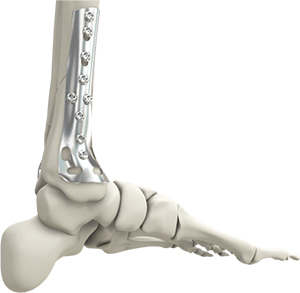
Foot reconstruction may combine bone realignment through osteotomies, tendon repair or transfer, ligament reconstruction, and joint fusion. Plates, screws, or other fixation devices may support healing. The procedures selected depend on the structures affected and the correction required.
Is foot reconstruction always minimally invasive?
No. Some conditions can be treated using arthroscopy or other minimally invasive techniques, while complex corrections may require open surgery. The appropriate approach depends on the diagnosis and extent of reconstruction. Smaller incisions do not necessarily mean a shorter recovery for every patient.
How long does recovery take after foot reconstruction?
Recovery varies widely with the procedures performed. Extensive reconstruction may require several months of rehabilitation, and improvement can continue for a year or longer. A cast or boot may protect the foot initially. Your surgeon determines when weight-bearing, regular footwear, work, and exercise can safely resume.
What are the risks of foot reconstruction?
Potential risks include infection, wound-healing problems, nerve injury, blood clots, delayed or incomplete bone healing, stiffness, and persistent pain. Deformity may recur, and additional surgery is sometimes necessary. Your surgeon will explain the risks and expected outcomes for your particular procedure.
Schedule a Foot Reconstruction Consultation in Valhalla, NY
If foot pain, deformity, or instability is affecting your daily activities, contact Ankle and Foot Surgical Specialists in Valhalla, NY, to schedule a consultation with Dr. Fred DeLucia. Discuss your symptoms, explore treatment options, and learn whether foot reconstruction is appropriate for your needs.